
Essential Tips for Mastering Your Big South Fork Adventures Whitewater Trip
Whitewater rafting on the Big South Fork River offers an unforgettable experience filled with excitement and natural beauty. Whether you choose a guided trip or decide to navigate the rapids on your own, preparation is key to making the most of your adventure. This blog post shares practical tips to help you become a pro and stay ready for your Big South Fork whitewater trip.

Understand the River and Its Challenges
Before you hit the water, learn about the Big South Fork River’s characteristics. The river features Class II to Class IV rapids, depending on the section and water levels. Knowing what to expect helps you prepare mentally and physically.
Research river conditions: Check recent water flow reports and weather forecasts. High water levels can increase rapid difficulty.
Know the route: Familiarize yourself with key landmarks, rapid names, and potential hazards.
Assess your skill level: Be honest about your experience. If you’re new to whitewater rafting, guided trips offer safety and expert advice.
Choose Between Guided and Unguided Trips Wisely
Both guided and unguided trips have advantages. Guided trips provide expert leadership, safety gear, and local knowledge. Unguided trips offer freedom and a personal challenge but require more preparation.
Guided trips
- Benefit from professional guides who know the river well
- Receive safety briefings and equipment
- Focus on enjoying the scenery and rapids without worry
Unguided trips
- Require strong paddling skills and river navigation knowledge
- Demand thorough preparation and safety planning
- Offer a sense of accomplishment and independence
Pack the Right Gear for Safety and Comfort
Proper gear makes a big difference in your experience and safety on the river. Whether guided or unguided, bring essentials that protect you and enhance your trip.
Personal flotation device (PFD): Always wear a Coast Guard-approved life jacket.
Helmet: Protect your head from rocks and branches.
Appropriate clothing: Wear quick-drying, moisture-wicking clothes. Avoid cotton.
Footwear: Use secure water shoes or sandals with good grip.
Dry bag: Keep valuables and extra clothes dry.
Sun protection: Bring sunscreen, sunglasses with straps, and a hat.
Hydration: Carry water bottles or hydration packs.
Practice Essential Whitewater Skills
Even if you plan a guided trip, knowing basic paddling and safety skills improves your confidence and enjoyment.
Paddling techniques: Learn forward stroke, back stroke, and how to steer.
Reading rapids: Understand how to spot obstacles and choose the safest path.
Self-rescue: Practice swimming in moving water and how to get back to your raft.
Team communication: Use clear commands and signals with your group.
Prepare Physically and Mentally
Whitewater rafting demands strength, endurance, and focus. Prepare your body and mind before the trip.
Physical fitness: Build upper body and core strength through exercises like rowing, swimming, or resistance training.
Mental readiness: Stay calm under pressure and be ready to adapt to changing river conditions.
Rest well: Get a good night’s sleep before your trip to stay alert.
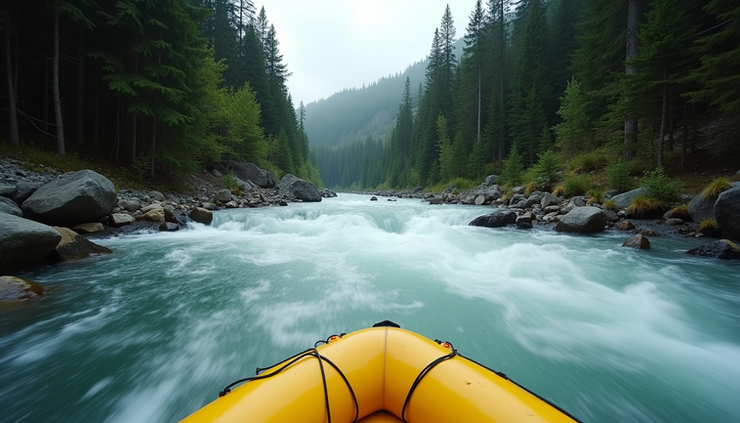
Follow Safety Protocols and Respect the Environment
Safety is the top priority on any whitewater trip. Follow guidelines and respect the natural surroundings.
Listen to your guide: Follow instructions carefully during guided trips.
Wear safety gear at all times: Never remove your PFD or helmet while on the water.
Stay with your group: Avoid drifting away or attempting risky maneuvers alone.
Leave no trace: Pack out all trash and avoid disturbing wildlife or vegetation.
Know emergency procedures: Carry a whistle and understand how to signal for help.
Plan for After the Trip
Your adventure doesn’t end when you leave the river. Plan for recovery and reflection.
Warm up and stretch: Prevent muscle soreness by stretching after paddling.
Hydrate and eat: Replenish energy with water and nutritious food.
Review your experience: Note what worked well and what could improve for next time.
Share your story: Connect with fellow rafters or online communities to exchange tips.


Comments